School cafeteria technology can cut lunch line wait times by up to 70% compared to traditional cash handling methods. Students typically get just 25-30 minutes for lunch, but many end up with only 10 minutes to eat after waiting in line and finding a seat. The challenge grows as more than 90% of school food service directors face staffing shortages, which puts extra pressure on cafeteria operations.
Modern school cafeteria software provides answers to these challenges. Schools that adopt state-of-the-art technologies can create welcoming and quick mealtime environments. These changes boost student participation rates—sometimes by as much as 35%! The impact reaches beyond just speed and efficiency. With 21.4 million students (about 72.5% of all public-school lunches) receiving subsidized meals, streamlined cafeteria operations help ensure every child gets proper nutrition.
This piece explores how smart POS systems, inventory management tools, automated menu planning, and other tech advances can change school cafeteria operations while substantially reducing costs. We’ll show you practical ways to improve your school’s food service and manage your budget, from tap-to-pay solutions to IoT-powered inventory tracking.
Smart POS Systems That Cut Labor and Speed Up Lines
Modern cafeteria POS systems have grown beyond basic cash registers. They now offer sophisticated tools that make operations smoother and need fewer staff members. These digital solutions help keep lines moving so students spend more time eating and less time waiting.
Tap-to-Pay and Mobile Wallet Integration
School cafeterias that use touchscreen hardware with contactless payment options see major improvements in service speed. NFC, RFID, and mobile wallet compatibility create smooth transactions and reduce crowding during peak hours. The results are significant – cashless school payments can cut transaction times by 75% according to Mastercard research.
Students can tap their ID cards or use pre-loaded digital accounts. This eliminates delays from handling cash. Some schools boost efficiency by using handheld devices to process orders while students wait in line. This approach cuts wait times and prevents bottlenecks.
POS ↔ SIS Sync for Real-Time Eligibility
Modern cafeteria systems show their true value through integration with Student Information Systems (SIS). More than 92% of districts now use electronic POS systems that link directly with platforms like PowerSchool, Skyward, and Sapphire.
This integration creates a single source of truth that automatically:
- Syncs student rosters and eligibility status
- Checks account balances immediately
- Removes manual data entry errors
These systems also protect student privacy by quietly showing meal status to cashiers. This means students who receive free or reduced-price meals stay anonymous to their peers.
Auto-Validation of Reimbursable Meals
Federal rules require detailed documentation for every reimbursable meal. Modern POS systems automatically check meals against USDA requirements at checkout. This protects thousands in potential lost funding.
The technology handles essential validation tasks:
- Sorts meals into free, reduced, or paid categories
- Confirms accurate reimbursement claims
- Creates digital records ready for audits that meet compliance rules
Built-in checks compare meal counts with eligibility numbers before submitting claims. This nearly eliminates reporting errors that previously took hours of manual work to fix.
Inventory and Waste Management Tools That Save Thousands
School districts lose thousands of dollars each year due to food waste and poor inventory management. The right inventory system can make a big difference. Some schools have cut their food waste by up to 15% by using technology-based solutions.
Real-Time Inventory Tracking with IoT Sensors
IoT sensors have reshaped the way cafeterias keep track of their food supplies. These compact devices constantly monitor temperature, humidity, and stock levels in kitchens and storage spaces. The sensors in refrigerators and freezers send alerts to staff before equipment problems lead to food spoilage.
Walmart shows how well this technology works. They’ve put these tracking systems in 500 stores and plan to add them to over 4,600 locations by 2026. School cafeterias can benefit from:
- Quick views of stock levels at multiple schools
- Automatic alerts when supplies run low
- Less time spent on manual counting and data entry
Predictive Ordering Based on Consumption Trends
School cafeteria software now uses consumption patterns to make smarter purchases. These systems can predict what’s needed with amazing accuracy by looking at past data.
The best platforms combine menu planning with inventory control. Food service directors can order exactly what they need based on current stock and predicted usage. This precise ordering helps cut down on waste and overproduction.
IoT solutions with pressure-sensitive sensors help track what students like to eat, which is especially helpful with seasonal menu items. This evidence-based approach helps school meal programs keep just the right amount of food on hand.
Waste Tracking and Expiry Alerts
The new expiry tracking systems are game-changers. Tools like Prep-Alert and DateCodeGenie send automatic notifications through text, email, and their software when food is about to expire.
These systems take away the guesswork by tracking:
- When food was prepared
- When it needs to be used
- Allergen details
- Made-Ready-Discard (MRD) schedules
Printing just 50 automated labels each day saves about 117 hours yearly compared to writing them by hand. The automated date calculations also ensure food safety rules are followed at every school.
The budget savings can be huge. Food processing makes up about 9% of all food waste in the EU. Schools that use these tracking tools can help reduce the 1.3 billion tons of food wasted worldwide each year.
Automated Menu Planning and Compliance Reporting
School nutrition programs face major challenges to comply with USDA guidelines. Modern menu planning software makes this complex process much simpler. Food service directors save precious time throughout the menu planning cycle with USDA-approved systems.
Menu Management with USDA Guidelines Built-In
School cafeteria software flags menu items that don’t meet USDA requirements right away. This takes the guesswork out of menu planning. These systems have complete databases with thousands of pre-loaded products and recipes made specifically for K-12 schools. Some platforms include over 5,000 pre-loaded products and recipes that meet all nutritional standards. The software updates regularly to match current federal and state nutrient analysis guidelines. This ensures all menus stay compliant.
Allergen and Nutrition Labeling via Digital Menus
Digital menu systems track allergens naturally at the ingredient level and carry this information through to recipes. Most platforms come with ten standard allergens already loaded. Schools can customize these for special dietary needs. Students and parents can access this information through interactive online menus and mobile apps from any device. A district administrator noted that publishing digital menus “has cut weeks off of the time I spend on menus each month”.
Audit-Ready Reports with Daily Meal Logs
These systems are a great way to get administrative review reports with just one click. Schools can gather all needed documentation in seconds instead of hours. This includes Child Nutrition Labels and Product Formulation Statements. The CN label protects schools against audit claims when staff prepares products according to manufacturer instructions. Schools create clear records of how products meet meal pattern requirements. This documentation keeps nutrition programs safe during audits.
Quick Tech Wins That Deliver Immediate ROI
Small technology investments can bring quick returns for school cafeterias without needing much time or major changes to implement.
Auto-Pay Alerts and Low Balance Notifications
Students won’t miss meals due to empty accounts thanks to automatic notification systems. These systems send alerts to parents when balances drop below set amounts. Parents can choose their preferred alert amount, usually around $5.00, and get updates through email, text, or app notifications.
The benefits go beyond just making things easier. Schools that use automatic alerts see much fewer negative account balances. This cuts down on staff time that would be spent calling parents about unpaid accounts. Parents like that they can set different alert levels for each child, since their kids might eat at different rates.
Mobile Pre-Ordering Apps for Demand Forecasting
Pre-ordering systems make things better for both students and operations. Students who use these apps can customize their meals and bypass the main lunch lines by picking up their orders at special spots.
This setup leads to shorter lines for everyone, even those who didn’t order ahead. The cafeteria staff can plan better because these systems show exactly what food they’ll need, which cuts down on waste. Pre-ordering also helps manage food allergies and lets parents guide their children toward healthier food choices.
Digital Menu Boards to Reduce Decision Time
Digital signs in cafeterias help students decide what to eat before they reach the counter. These bright displays show nutrition facts, allergy warnings, and daily specials. Students can use their waiting time to make food choices.
Schools using digital signs and menu boards have cut their communication costs by up to 28%. Unlike paper menus, digital boards can show updates right away when foods change or run out. This live information helps the whole lunch service run smoother.
Conclusion
Smart cafeteria technology provides trailblazing solutions for schools that face budget constraints and staffing shortages. This piece explores several state-of-the-art technologies that together deliver the impressive 40% cost reduction mentioned in our title.
Modern POS systems have become a game-changer for school lunch programs. These systems, paired with tap-to-pay options and SIS integration, cut transaction times while protecting student’s dignity. On top of that, it automatically validates reimbursable meals so schools receive their entitled funding completely.
School districts’ substantial expenses include food waste. IoT-powered inventory management, predictive ordering systems, and expiration date tracking team up to minimize waste and optimize purchasing. Schools using these technologies see waste drop by up to 15%, which saves thousands of dollars each year.
Menu planning software serves a vital role by automating USDA guidelines compliance. This automation eliminates costly audit errors and reduces nutrition staff’s administrative load. The food service directors can focus on meal quality instead of paperwork.
Small tech investments often produce surprisingly big returns. Auto-pay alerts lower negative balances, mobile pre-ordering apps boost forecasting accuracy, and digital menu boards speed up student’s decisions. These technologies create an efficient cafeteria where students spend more time eating than waiting.
Benefits go beyond just saving money. Students get better service, parents see more transparency, and staff handle reduced workloads despite ongoing shortages. These technologies help 21.4 million students who receive subsidized meals access nutrition efficiently and discreetly.
Technology can’t solve every school nutrition program’s challenge. Notwithstanding that, smart cafeteria solutions offer a powerful way to stretch limited budgets while improving service. Schools still evaluating these options should think about both the immediate efficiency gains and long-term savings that make these technologies worth the original investment.
FAQs
Q1. How does smart cafeteria technology reduce costs in schools? Smart cafeteria technology reduces costs through various means, including automated POS systems that speed up transactions, inventory management tools that minimize food waste, and menu planning software that ensures compliance with regulations. These technologies can collectively cut costs by up to 40% while improving efficiency.
Q2. What are the benefits of implementing digital menu boards in school cafeterias? Digital menu boards in school cafeterias help reduce decision time for students, display real-time nutritional information and allergen warnings, and can be instantly updated to reflect menu changes. They also contribute to saving up to 28% on communication costs compared to traditional static menus.
Q3. How do automated payment systems improve school lunch programs? Automated payment systems, such as tap-to-pay options and mobile wallet integration, significantly reduce transaction times by up to 75%. They also help maintain student privacy for those receiving free or reduced-price meals and minimize the risk of negative account balances through auto-pay alerts and low balance notifications.
Q4. Can technology help schools comply with USDA guidelines for school meals? Yes, modern menu planning software comes with built-in USDA guidelines, automatically flagging non-compliant menu items. These systems also generate audit-ready reports and daily meal logs with a single click, saving time and ensuring accurate compliance documentation for nutrition programs.
Q5. How does pre-ordering technology benefit school cafeterias? Pre-ordering apps allow students to customize and order meals in advance, reducing wait times and congestion in lunch lines. For cafeterias, these systems provide valuable demand forecasting data, helping to prepare the right amount of food and reduce waste. They also facilitate allergen management and promote healthier food choices.
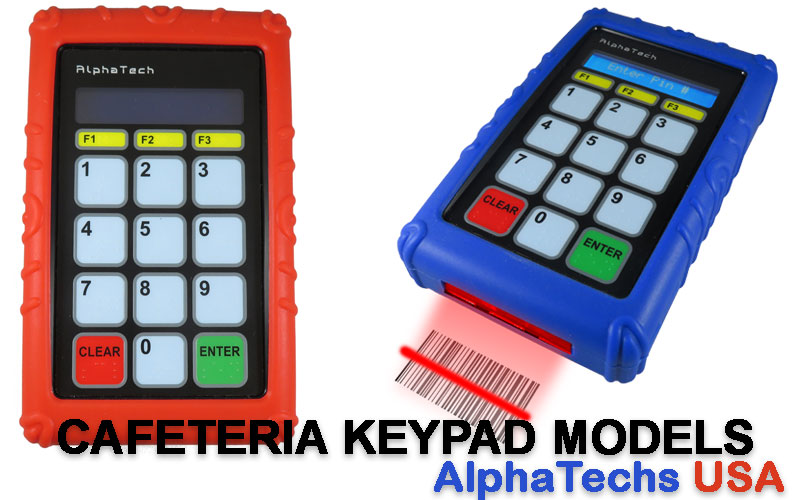
AlphaTechs USA offers a wide selection of innovative solutions designed to improve school lunch experience and make school lunch lines go faster.
Specifically created for US school cafeterias, our pin pads, 1D scanners and 1D/2D QR barcode scanners and RFID code readers are compatible with all school lunch POS systems. Each unit comes with a free complementary anti-shock cover designed to keep your devices safe at all time.
Stand-alone readers are also available including orbital scanners, USB handheld barcode scanners as well as Bluetooth handheld barcode scanners.
Our devices are compatible with all US school cafeteria POS systems.
For any school cafeteria scanner question, feel free to contact us.